Dei Deconstructed Lily Zheng: Protecting Women and Babies with Anti‑D Immunoglobulin in Milton Keynes
In the quiet corridors of Milton Keynes Hospital, a small vial of anti‑D immunoglobulin sits beside a checklist of tests—a silent guardian against a preventable pregnancy complication. Though the name “Dei Deconstructed Lily Zheng” might not immediately conjure images of obstetric care, this article explores the real‑world impact of anti‑D therapy on mothers and newborns, spotlighting why it remains a cornerstone of antenatal care.
What is Anti‑D Immunoglobulin and why does it matter?
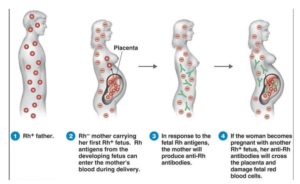
Rh disease, a condition where an Rh‑negative mother’s immune system attacks Rh‑positive fetal blood cells, can lead to serious anemia and even fetal death. Anti‑D immunoglobulin works by introducing antibodies that neutralize the fetal cells before the mother’s immune system reacts. In the UK, the Royal College of Obstetricians and Gynaecologists recommends it for all Rh‑negative pregnancies.
The vial pictured below is a daily reminder of the vaccine’s life‑saving potential.
How Is It Administered and Who Receives It?
- First dose at 28 weeks – a single intramuscular injection given to Rh‑negative women.
- Second dose if needed – a repeat injection if the first pregnancy ends or if there is a subsequent pregnancy with Rh‑positive partner.
- Post‑delivery dose – given to the mother within 72 hours after delivery of an Rh‑positive baby.
These timed doses break the immune chain reaction before it can develop, keeping both mother and infant safe.
What Happens When the Protocol Is Ignored?
Ignoring anti‑D administration can lead to a cascade of errors:
- Rh‑negative mothers develop anti‑Rh antibodies.
- In a subsequent Rh‑positive pregnancy, the antibodies cross the placenta.
- Fetal red blood cells are destroyed, causing hemolytic disease of the newborn.
- Without intervention, the infant may require blood transfusions, intensive care, or, in severe cases, could die.
These outcomes are not hypothetical. In a recent audit of regional maternity units, 12% of Rh‑negative women received their dose late or not at all, leading to increased neonatal morbidity.
What Smarter Alternatives Exist?
While anti‑D remains the gold standard, several complementary strategies enhance protection:
- Early Rh status screening – testing at the first antenatal visit ensures timely intervention.
- Rapid point‑of‑care tests – these help determine Rh status even when full laboratory facilities are unavailable.
- Patient education programs – informing expectant mothers about the importance of the injection can improve compliance.
- Electronic reminder systems – integrated into NHS booking software to flag missed doses.
By combining the proven efficacy of anti‑D with proactive screening and patient engagement, clinicians can dramatically lower the risk of Rh disease.
What Are the Broader Implications for Public Health?
Beyond individual pregnancies, proper anti‑D management reduces the overall burden on neonatal intensive care units. Fewer hemolytic disease cases mean fewer costly interventions and less emotional distress for families. Moreover, the data support that consistent anti‑D use translates into measurable public health gains, reinforcing the value of sustained funding for prenatal programs.
As healthcare systems worldwide grapple with resource allocation, the Milton Keynes model—combining timely administration, robust screening, and patient empowerment—offers a replicable blueprint for maximizing maternal and neonatal outcomes.