How Easy Is It to Contest a Will in the UK? A Practical Guide
Contesting a will in the UK is a serious legal process, but it’s not impossible. Unlike some jurisdictions where challenges are rare, UK law provides clear pathways for disputing a will—though success depends on strong evidence and legal expertise. Whether it’s a missing heir, undue influence, or a lack of testamentary capacity, the process involves proving your case in court. Here’s what you need to know to navigate the complexities of challenging a will.
Common Reasons to Contest a Will
Will contests typically arise from one of three key issues: missing heirs, undue influence, or lack of testamentary capacity. A missing heir might be a child born out of wedlock, a grandchild not named, or a spouse who was overlooked. Undue influence occurs when someone pressures the testator into changing the will, often through coercion or manipulation. Lack of testamentary capacity means the testator wasn’t mentally sound to make decisions at the time of drafting the will.
The Legal Process: Steps to Challenge a Will
Contesting a will begins with filing a notice of contest in the probate registry. This triggers a 21-day waiting period, during which the executor must respond. If the executor doesn’t act, the court may grant a summary judgment in your favor. If they do respond, the case proceeds to a full hearing, where evidence is presented to the judge. Legal representation is crucial at this stage, as the judge will decide based on the strength of your arguments.
Evidence That Strengthens Your Case
Strong evidence is the backbone of a successful will contest. For missing heirs, birth certificates or DNA tests can prove existence. For undue influence, witness statements, medical records, or financial records showing pressure may help. For testamentary capacity, expert testimony from a psychiatrist or neurologist can be decisive. The more concrete the evidence, the better your chances.
Costs and Time Considerations
Contesting a will is expensive and time-consuming. Legal fees, court costs, and expert witness fees can add up quickly. The process can take months or even years, depending on court schedules. Many people opt for mediation or out-of-court settlements to avoid the hassle, but these aren’t guaranteed. If you’re serious about contesting, budget for the long haul and consult a solicitor early.
When to Seek Professional Help
If you’re considering a will contest, don’t go it alone. A solicitor specializing in probate law can assess your case, gather evidence, and represent you in court. They’ll know the nuances of UK law and can negotiate a better outcome. Early legal advice can prevent costly mistakes and improve your chances of success.
Contesting a will is a last resort, but it’s a real option in the UK. With the right evidence and legal support, you can challenge an unfair or flawed will. However, the process is complex, expensive, and uncertain. Weigh your options carefully before taking action.
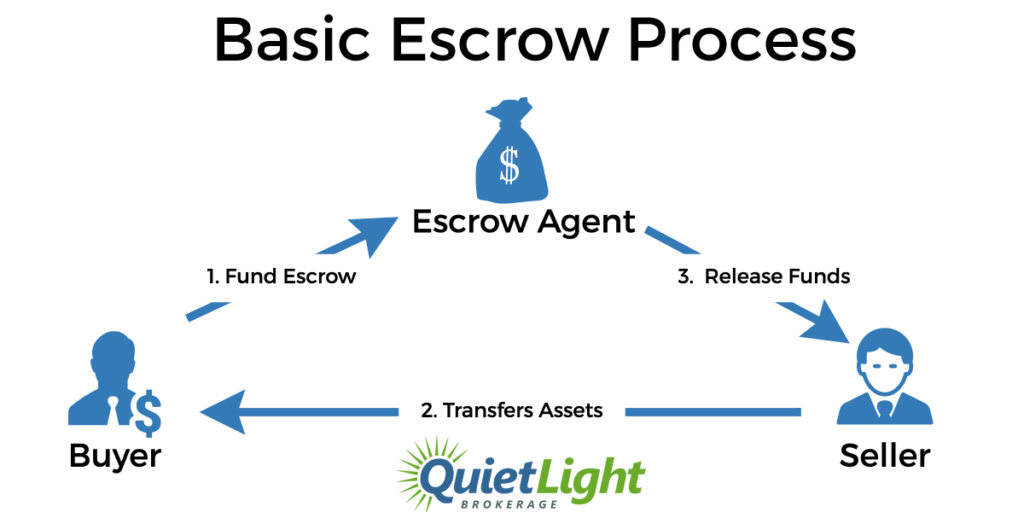
Escrow: What You Need To Know For Safe Transactions
Escrow: What You Need to Know for Safe Transactions