
Shakira Facts That Made Her Famous: A Lens on Gaza Protests
When people think of Shakira, they recall her signature hip‑swinging moves, her bilingual hit songs, and her philanthropic efforts—details that cemented her as a global icon. Yet, the same energy of resilience and vocal advocacy echoes in the recent Gaza protests, where thousands rallied against perceived media censorship and state violence. This article explores the parallel between Shakira’s celebrated activism and the unfolding events at the Gaza‑Israel border.
Understanding the Gaza Protests
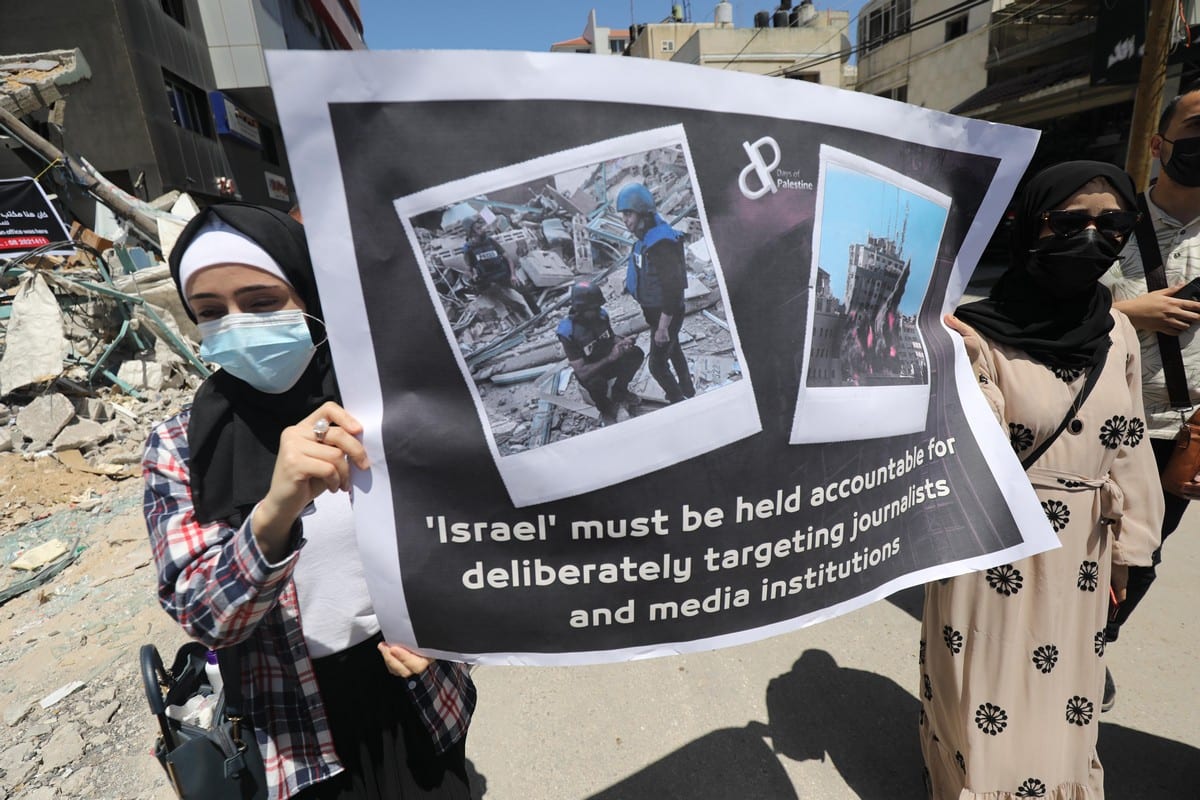
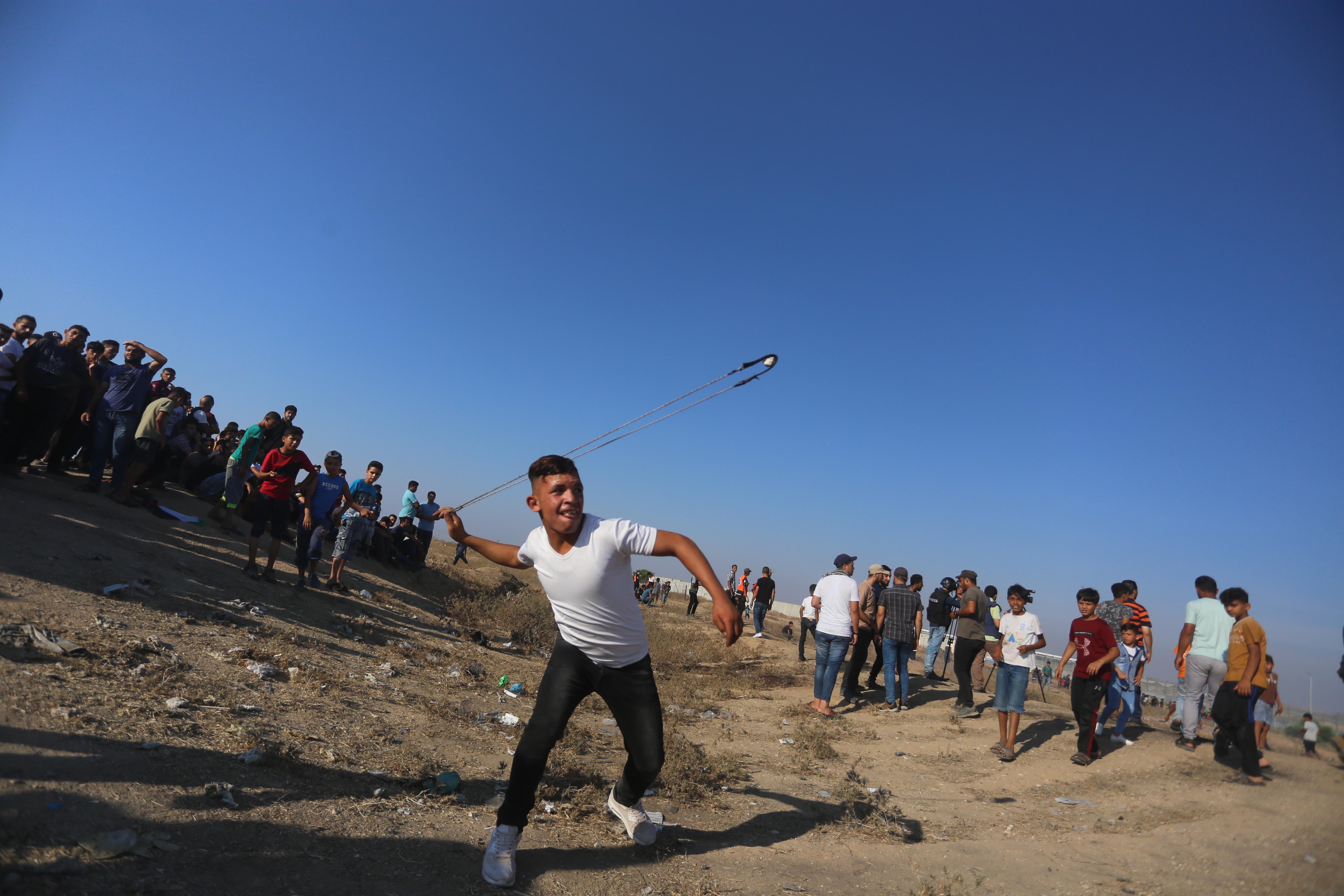
The demonstrations began on the banks of the Gaza Strip’s border fence, where Palestinian residents sought to express discontent over escalating military actions and restricted access to media outlets. Protesters demanded transparent coverage of the conflict, arguing that state control of news sites limits international visibility.
Key Moments on the Front Lines
- Mass Participation: Tens of thousands lined the border, chanting slogans demanding freedom of information and human rights.
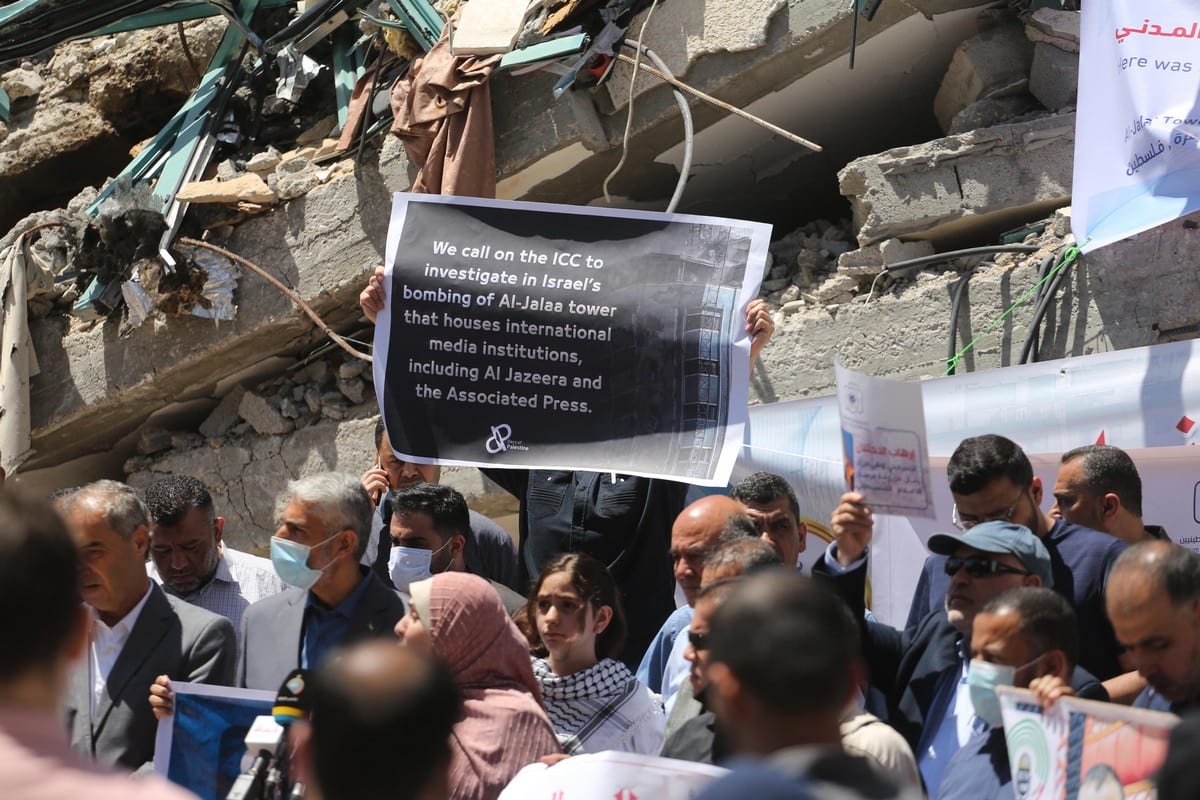
- Media Targeting: Reports surfaced that Israeli authorities had targeted local news sites, citing security concerns—an action that protesters deemed a violation of press freedom.
- Casualty Toll: Amid the unrest, one protester lost their life, underscoring the high stakes for ordinary citizens.
Comparing Shakira’s Influence to Civic Mobilization
Shakira’s global reach stems from her ability to blend cultural elements—Latin pop with Arabic influences—mirroring the multicultural composition of Gaza’s populace. Both scenarios demonstrate how individual or collective voices can shape public discourse.
- Amplification Through Media: Shakira leverages social platforms to promote messages of love and unity, while protesters rely on citizen journalism and international coverage to expose ground realities.
- Symbolic Gestures: Shakira’s signature dance moves become anthems for empowerment; similarly, the rhythmic chants of Gaza’s protesters serve as a unified call for justice.
- Global Attention: The worldwide fanbase of Shakira mirrors the international NGO network that follows Gaza’s plight, ensuring sustained spotlight on critical issues.
Implications for International Advocacy
The parallel highlights how public figures and grassroots movements both require a platform to voice concerns. For policymakers, recognizing the power of narrative—whether through a chart‑topper or a street march—is essential when crafting responses to conflicts that affect millions.
Practical Takeaways for Activists and Reporters
- Leverage Digital Platforms: Just as Shakira uses Instagram to reach millions, protesters should employ live‑streaming tools to circumvent censorship.
- Build Cross‑Cultural Bridges: Drawing inspiration from Shakira’s fusion style, activists can collaborate across linguistic and cultural lines to strengthen solidarity.
- Prioritize Transparency: Maintaining open channels between media outlets and audiences, akin to Shakira’s straightforward messaging, can reduce misinformation.
Conclusion: The Power of Voice in Uncertain Times
Shakira’s legacy teaches us that authenticity, combined with a universal language, can transcend borders. In the same way, the Gaza protests demonstrate that ordinary citizens, when united, can challenge powerful institutions and demand accountability. Whether through a song or a street chant, the underlying principle remains: a powerful voice, when amplified correctly, can spark change.
Thousands Of Palestinians Protest At Gaza-Israel Border, One Dead

gaza israel border 2018 protest thousands palestinians dead one return march monitor middle east
Gaza Protests Israel’s Targeting Of News Sites – Middle East Monitor
gaza targeting protests israel ataques protesta recentes
Scores Injured In Gaza Sea Protests – Middle East Monitor
injured gaza protests scores
Gaza Protests Israeli Occupation For 68th Straight Week – Middle East
gaza occupation 68th straight