
How the Ying-Yang Twins Concept Shapes Modern Identity and Branding Today
The idea of ying yang twins—dual identities that balance opposing forces—has evolved beyond ancient philosophy into a practical framework for modern self-expression, branding, and even career strategy. Today, these "twins" aren’t just theoretical opposites; they’re a lived reality for artists, entrepreneurs, and creatives who navigate multiple personas with intentionality. Whether it’s a musician like Linda Ronstadt (who seamlessly transitioned between country, rock, and pop in the 1970s) or a modern influencer blending corporate consulting with underground art, the ying yang twins dynamic isn’t about fragmentation—it’s about leverage.
From Philosophy to Practicality: The Modern Yin-Yang Twins
The ying yang twins concept originates in Taoist thought, where balance between opposing forces creates harmony. Today, it manifests in how individuals and brands curate distinct yet complementary identities. The key difference from past eras? Today’s twins aren’t static—they’re fluid, adaptable, and often monetized. A 1970s poster of Linda Ronstadt  illustrates this: her stage presence could pivot from folk’s earthiness to rock’s intensity, appealing to audiences without losing her core identity. Modern equivalents might include a tech CEO who writes speculative fiction under a pseudonym or a fitness trainer who hosts both corporate wellness workshops and underground dance events.
Where the Yin-Yang Twins Excel: Three Use Cases
This duality isn’t just aesthetic—it’s a strategic asset. Here’s where the ying yang twins approach delivers measurable value:
- Career Agility: Professionals in high-demand fields (e.g., UX design, law, or healthcare) use "twins" to hedge risks. A lawyer might moonlight as a podcast host on legal ethics, while a UX designer creates minimalist art for a side project. The separation of roles reduces burnout and opens revenue streams.
- Brand Expansion: Companies leverage twins to enter adjacent markets without diluting their core. Patagonia’s outdoor gear brand, for example, has quietly expanded into political activism—a yin yang twin that reinforces its authenticity while attracting a new audience.
- Personal Branding: Influencers and creators use twins to avoid "brand fatigue." A wellness coach might post motivational content during the week but share unfiltered lifestyle vlogs on weekends, keeping engagement high across diverse audiences.
How to Identify Your Own Yin-Yang Twins
Not every duality is a twin—some are just contradictions. The best ying yang twins share these traits:
- They complement each other. A data scientist who writes poetry isn’t just "two jobs"—the analytical mind and creative outlet reinforce one another.
- They’re audience-aware. The twins must serve distinct but overlapping needs. A chef who runs a Michelin-starred restaurant and a food truck isn’t just "two businesses"; the truck’s casual vibe preps diners for the fine-dining experience.
- They’re scalable. The twins should either grow together or independently. A musician who tours as a solo artist but also leads a band isn’t just "two acts"—the band’s live energy can boost solo album sales.
The Pitfalls of Forced Duality
Not all yin yang twins are sustainable. The most common mistakes include:
- Overlap without purpose: Maintaining two social media accounts that post identical content without clear differentiation wastes resources.
- Ignoring audience signals: A brand that treats its "serious" and "fun" twins as equal priorities without data risks diluting both.
- Neglecting the core: Twins should enhance the primary identity, not replace it. A novelist who abandons fiction for self-help books may lose their loyal readers.
A Timeline of the Yin-Yang Twins in Action
The concept has evolved alongside technology and cultural shifts:
- 1970s–1990s: The Artist’s Duality
 Artists like Ronstadt or Prince blurred genres to stay relevant. Their twins weren’t just stylistic—they were survival strategies in a fragmented music industry.
- 2000s–2010s: The Digital Split Platforms like Twitter and Instagram forced creators to adopt twins: a "professional" persona for clients and a "personal" one for fans. The line blurred further with meme accounts and alt handles.
- 2020s: The Hybrid Economy Today, twins are economic tools. A freelance designer might run a Shopify store by day and a Patreon for custom work by night, with each twin serving a different revenue model.
The Bottom Line: When to Embrace the Twins
The ying yang twins approach isn’t for everyone—but for those who thrive on variety, it’s a formula for resilience. The key is alignment: the twins must feel like extensions of the same self, not separate entities. As Linda Ronstadt’s career proved decades ago, the magic isn’t in the duality itself, but in how seamlessly it’s woven into the whole.
Linda Ronstadt Young Smiling Pose 1970's On Stage At Microphone 24x36
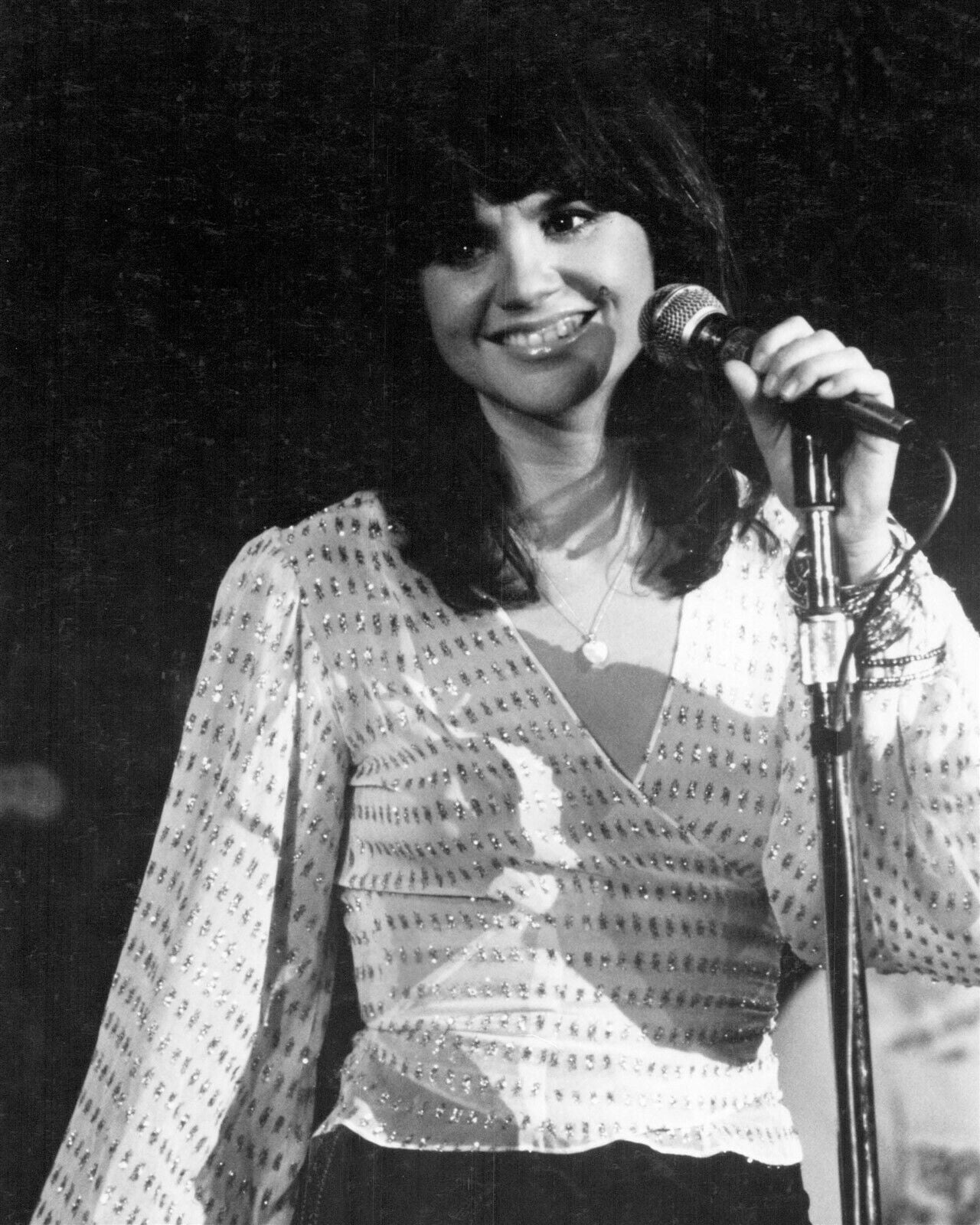
Linda Ronstadt young smiling pose 1970's on stage at microphone 24x36 ...
Linda Ronstadt 1970s Linda Ronstadt 1970s | The Pop History Dig

Linda Ronstadt 1970s Linda Ronstadt 1970s | The Pop History Dig
Linda Ronstadt American Musician Celebrity Unused 1970s - Etsy | Linda
Linda Ronstadt American Musician Celebrity Unused 1970s - Etsy | Linda ...